
Listen to article
The 10 Most Common Dreams and What They Mean
Some dreams transcend borders, languages, and cultures. A banker in Tokyo, a student in Buenos Aires, and a shepherd in Kenya all have them. They're so universal that researchers call them "typical dreams" — dream themes that appear across virtually all of humanity.
What makes them so common? And what do they reveal about our minds?
1. Falling into the Void
Loss of control, insecurity, or lack of support. Context matters: falling into water suggests emotional overwhelm; from a building connects to professional anxiety.
2. Flying
Freedom, overcoming obstacles, or desire to escape limitations. How easily you fly matters: effortless flight suggests confidence; struggling to stay airborne reflects fragile freedom.
3. Teeth Falling Out
Anxiety about appearance, fear of aging, feeling powerless, or worry about others' perception. Another reading connects it to communication — something you need to say but aren't saying.

Discover what your dreams mean with the wisdom of ancient cultures and artificial intelligence.

4. Being Chased
Avoidance. Something in your life — a conflict, a pending conversation, an uncomfortable emotion — that you're avoiding. The key: don't just look at what's chasing you, but what you're running from.
5. Being Late or Unprepared
Fear of not meeting expectations, performance pressure, or the feeling that time is slipping away. More common in adults than children as responsibilities accumulate.
6. Being Naked in Public
Vulnerability and fear of exposure. Nudity symbolizes being seen without protective layers — titles, roles, social masks. If nobody notices in the dream, the fear may exist only in your head.
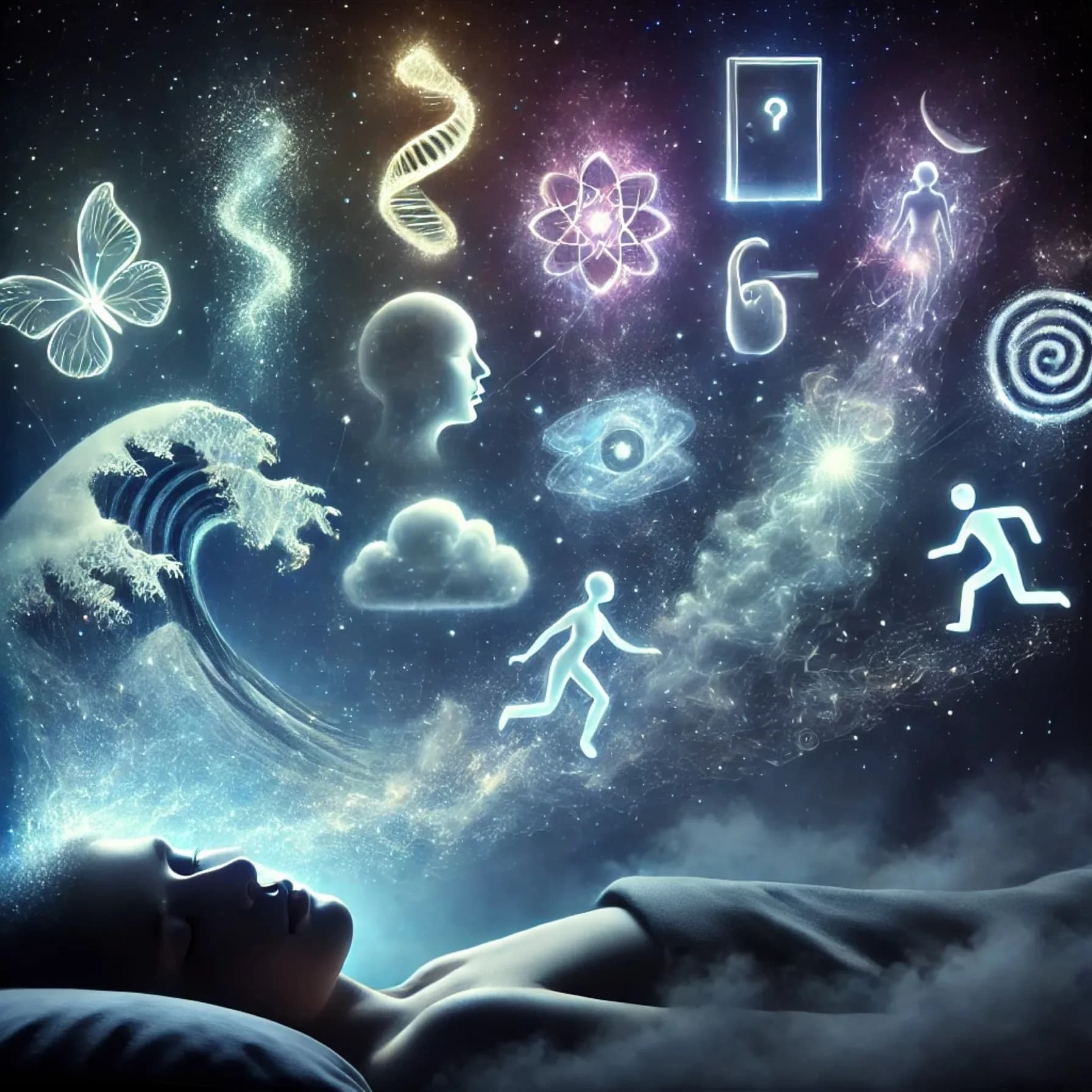
7. Giant Waves or Floods
Overwhelming emotions you feel you can't control. Water in dreams almost always represents the emotional world. Calm water suggests you're learning to navigate intense feelings.
8. Snakes
One of the richest and most ambiguous dream symbols: transformation (snakes shed skin), hidden wisdom, threat or betrayal, sexual/creative energy, healing. Emotional context is key.
9. Finding Unknown Rooms
Discovery of unknown aspects of yourself. Unexplored potential, hidden talents, or ignored parts of your personality. If the room is in disrepair, it may represent parts you've avoided confronting.
10. Death (Your Own or Someone Close)
Rarely about literal death. Death dreams symbolize endings and beginnings — closing a chapter, abandoning an old identity. Dreaming of your own death may mean a version of you is ending to make way for another.
What Connects All These Dreams
The most universal dreams speak of the most universal experiences: control and loss of control, vulnerability and protection, freedom and restriction, change and resistance to change. They're mirrors reflecting what your mind is processing — the questions you haven't asked aloud, the emotions you haven't named during the day.
SenseDreams interprets your common dreams with AI, connecting them with wisdom from cultures worldwide. Dreamed of snakes, falls, or teeth? Record your dream and discover what your subconscious is telling you.

Explore the language of your dreams
AI-powered interpretations inspired by ancestral wisdom from cultures around the world.