
Listen to article
Lucid Dreams: What They Are, Why They Matter, and How to Have Them
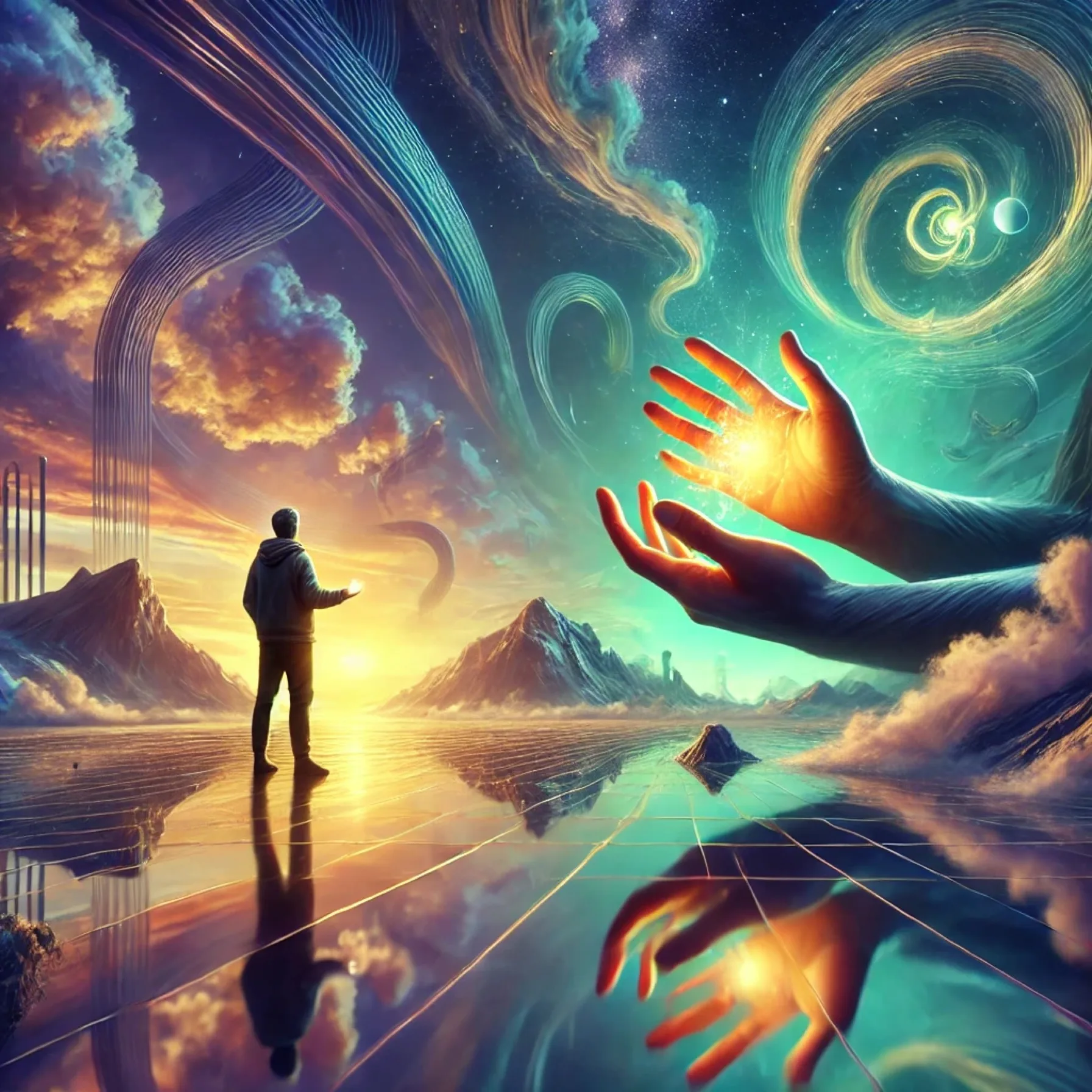
Imagine you're in the middle of a dream — walking through an impossible landscape, talking to someone who shouldn't be there — and suddenly you understand: this is a dream. You don't wake up. You stay inside, but now you know. And that knowing changes everything.
Lucid dreams are one of the most fascinating phenomena of human consciousness. For decades they were dismissed as fantasy, but modern neuroscience has confirmed them as a real, studiable brain state. And it turns out ancient cultures already knew about them — and practiced them.
What Exactly Is a Lucid Dream
A lucid dream is any dream in which the dreamer is aware they're dreaming while the dream continues. Lucidity varies from a vague "I think this is a dream" to full consciousness with the ability to make decisions within the dream.
At the highest levels, the dreamer can modify the environment, decide where to go, choose who to talk to, and even alter the physical laws of the dream world. It doesn't feel like a normal dream — lucid dreamers report extraordinary vividness with colors more intense and sensations more defined.
What Science Says
The key breakthrough came when researchers asked dreamers to signal lucidity by moving their eyes in a predetermined pattern from within the dream. Since eye movements aren't paralyzed during REM, researchers could detect the signal and confirm the dreamer was genuinely conscious.
Neuroimaging studies revealed that during lucid dreams, certain prefrontal cortex areas — normally deactivated during REM — partially reactivate. It's as if an island of wakefulness emerges within the ocean of sleep.
Ancient Cultures Already Knew
Mesoamerica: temixoch. The Aztecs used this term — "blossom dream" — for a state of full dream consciousness controlled at will.
Tibetan Buddhism: dream yoga. Over 1,000 years of practicing milam — maintaining consciousness during dreams as a path to enlightenment.
Vedic India. The Upanishads describe witnessing one's own dreams without identification.
Ancient Greece. Aristotle wrote about recognizing the dream state while still dreaming.

Discover what your dreams mean with the wisdom of ancient cultures and artificial intelligence.

Proven Techniques
Reality Checks
Habitually ask yourself "Am I dreaming?" during the day so the habit transfers to dreams. Check your hands (distorted in dreams), try pushing a finger through your palm, or read text twice (it changes in dreams).
MILD (Mnemonic Induction of Lucid Dreams)
Repeat while falling asleep: "Next time I'm dreaming, I'll remember I'm dreaming." Visualize a recent dream and imagine the moment of realizing you're dreaming.
WBTB (Wake Back To Bed)
Set an alarm for 5-6 hours after falling asleep. Stay awake 20-30 minutes, then return to sleep with the intention of becoming lucid. This exploits the longer REM cycles later in the night.
Dream Journal
Recording dreams is the foundation of all other techniques. Better dream memory increases chances of recognition within the dream.
What to Do When You Achieve It
Stabilize the dream. Rub your hands, touch surfaces, or spin around. These sensory actions anchor the experience.
Don't try to control everything immediately. Start by simply observing with awareness.
Have a plan. Decide beforehand what you'll do if you achieve lucidity.
Applications Beyond Fun
Lucid dreams have documented therapeutic applications: treating recurring nightmares, processing difficult emotions, mental practice for athletes and musicians, and boosting creativity through direct access to the brain's associative visual thinking.
The Paradox of Awakening
To awaken within the dream, you first have to accept you're asleep. The Aztecs called it temixoch. The Tibetans practice it as a path to enlightenment. Aristotle described it 2,400 years ago. And you can experience it tonight.
You just need to remember to ask yourself one question: Am I dreaming?
SenseDreams helps you record and analyze your lucid dreams with AI. Every dream becomes data about your dream consciousness — patterns, frequency, themes, and connections to your waking life.
Explore the language of your dreams
AI-powered interpretations inspired by ancestral wisdom from cultures around the world.